


Have a kiddo who hates wearing most of their clothes because they can’t stand the tiniest tag or the smallest seam?
We feel you.
You may have tried different tactics, from bribery (leftover Halloween candy!) to begging. Eventually, you might just resort to wrestling them into their clothes and wondering if this is something they’ll bring up in therapy someday.
Instead of guessing (or just asking AI), we decided to ask a professional.
Jessica Preuschoff, MS, OTR/L, is a pediatric occupational therapist and the owner of Keiki Aloha Therapy in Yakima, Washington.

Jessica Preuschoff, MS, OTR/L, with a young friend
Sensory issues with clothes come up a lot in her sessions. Here’s her advice.
Jessica’s tips at a glance
- Decide what matters most today: getting out the door, or a specific fabric?
- Put something soft underneath: a soft layer under scratchy or dressy clothes.
- Keep practicing (slowly): try new layers on low-stakes days.
- Give them choices (within reason): offer options, then hold the boundary.
- Choose soft, less restrictive layers: skip scratchy seams and tight cuffs.
- Get outside (with a plan): structured movement and lots of textures.
- Ask for help sooner than later: bring it up with your provider early.
Sensory is a spectrum (and can go either way)
A child refusing to wear something you’ve picked out for them doesn’t automatically mean there’s an underlying diagnosis.
When Jessica talks about her “sensory kiddos,” she’s quick to clarify that sensory sensitivities can occur in children with or without a diagnosis:
“Sensory sensitivities don’t necessarily mean a child has autism or any other diagnosis. Children can experience and respond to sensory input in different ways, and every child’s needs are unique.”
When we mention “sensory issues,” we’re basically talking about what Jessica calls “the body’s touch-processing network.”
When it comes to clothes, some kids might be triggered by:
-
The feeling of the seams on socks
-
A sweatshirt that’s tight at the cuff and loose everywhere else
-
The seasonal switch from short sleeves to long, or long to short
Other kids are the opposite: they barely notice those signals and go looking for more sensation. Jessica sees kids who put their shoes on backwards on purpose, because the pressure on their toes feels good. (Her fix: give them that feedback another way, like a bubbly foot bath before shoes go on.)
Decide what matters most today
When a parent asks Jessica how to win the getting-dressed battle, she starts with a question.
“What is more important to you? That you’re getting out the door without a big meltdown? Or is there a need for them to wear a certain fabric or item of clothing?”
Some days, the answer is just getting out the door. Other days, you can make some concessions. Which brings us to the next piece of advice…
Put something soft underneath
This is Jessica’s go-to accommodation. If your kiddo has to wear something that bugs them, like a dressy holiday dress, put a softer layer underneath (like leggings and a soft shirt).
This is great for outdoors too, we might add. A soft base layer woolie goes on first, then you can add rain/snow bibs, a rain shell or jacket. The flexibility is perfect, especially when the weather fluctuates. (We talked about this more in our piece with a Forest School teacher.)
We’ve heard this from Wildhaven families, too. Loral, whose daughter is especially sensitive to how clothes feel, told us:
“My kids hated wool clothing, but Wildhaven Wools are thoughtfully designed so they won’t make them uncomfortable. It’s not a fight.”

One of Loral’s kids exploring the shore in Wildhaven layers
Keep practicing (slowly)
You can make lots of creative accommodations for your kiddo, but Jessica still works on building tolerance over time, because some clothes just can’t be avoided forever.
“You’re going to have to wear a swimsuit if you want to go to the beach, or those rash guards,” says Jessica. “They’re going to be tight, and they’re going to be that material. There’s no other option, otherwise you’re going to burn.”
There’s nothing wrong with trying to get clothes that work right now, but it’s also a good idea to take time to get used to different feelings against their skin, and hopefully build a tolerance. Trying a new layer? Start on a slow day. A lazy Saturday at home is a much lower-stakes test than a school morning.
Give them choices (within reason)

Explorer Crew + Legging + Hat Set
Between about ages 2 and 5, kids get very opinionated about what they wear (if yours haven’t, consider yourself very lucky). Jessica says that’s because “their sense of independence really starts to develop” at this age.
Here are two tactics she shares with parents:
-
Picture cards. Make cards for leggings, dresses, socks and pants. Your kiddo picks one from each category. “It doesn’t matter if it matches, but they feel like they made a choice.”
-
A weekday closet organizer. Use a hanging organizer with a slot for Monday through Friday, and let them fill it ahead of time.
Then comes the grown-up part: we have to set a boundary.
If your kiddo has a specific change of heart (“I meant the purple leggings, not the cheetah ones!”), Jessica says that’s “an easy swap.”
But if every answer turns into “actually… actually…,” that’s a different story. Jessica’s take: “They’re just stalling for time.”
Choose soft, less restrictive layers
A lot of Jessica’s sensory kiddos show up wrapped in a soft, fluffy blanket instead of a jacket in the colder months, because it’s “less restrictive but still warm.”
Unfortunately, that’s not always going to be an option for most kids (and it makes playing outside quite a bit harder).
Plenty of parents have told us Wildhaven leggings are one of the few things their sensory kiddo will happily wear. So we brought a pair along and asked Jessica what she thought.
Here’s what she noticed:
-
The ankle cuff has no edge, “so it’s not going to bother them at their ankle.”
-
The waistband is wide, so it won’t dig in the way a drawstring does.
-
To her eye, the fit lands right in the middle, not too loose and not too tight. And the fabric doesn’t get “peely” like some wool does.
“This is going to fit so much more comfortably on anybody, not just sensory kiddos,” says Jessica.

Kids Essential Merino Legging Pant in Fireweed
Get outside (with a plan)
Jessica is a big believer in movement for every kid.
“The more movement your child can get, the better, even when they do not have sensory differences. It supports so many different areas of development, including concentration, emotional regulation, coordination and motor planning.”

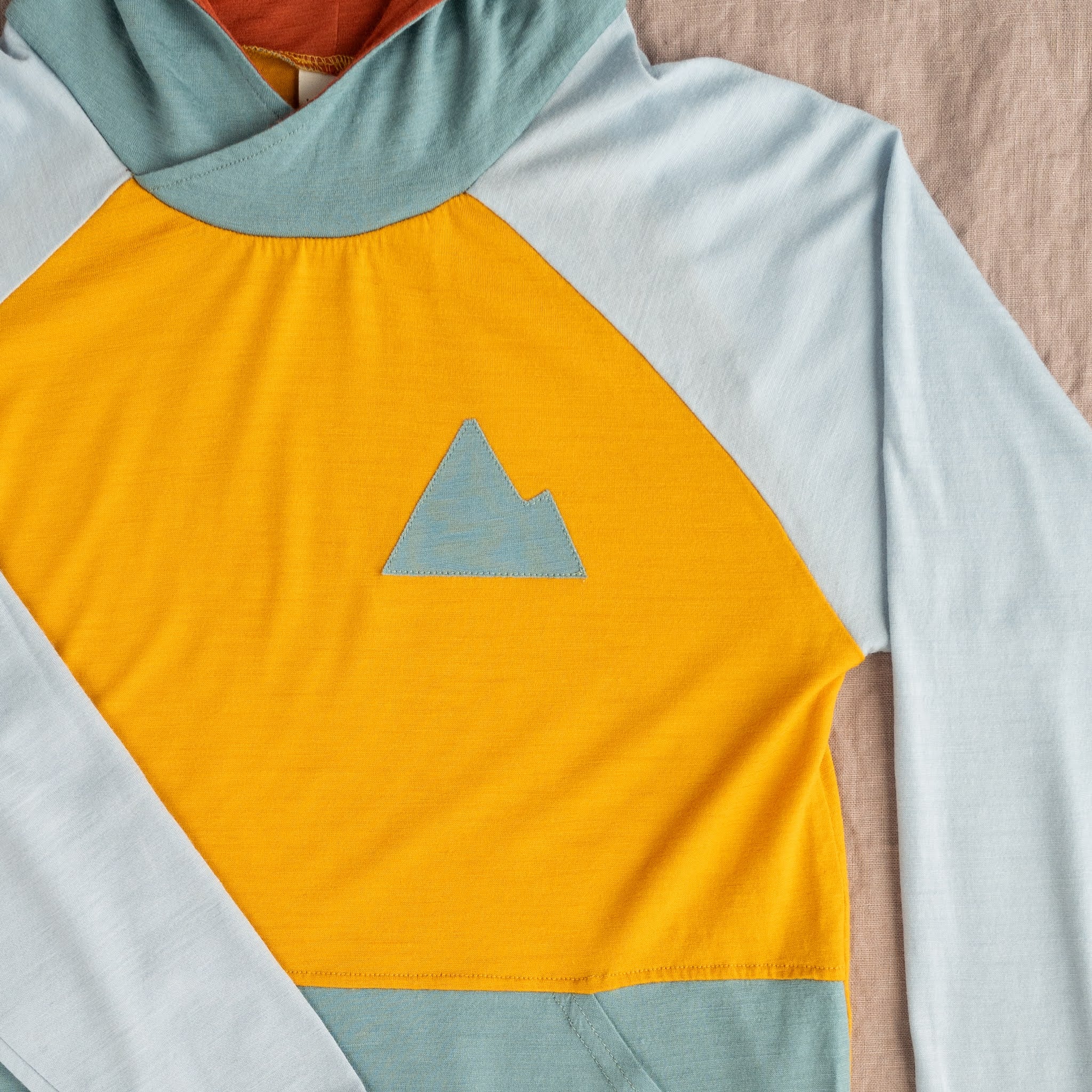
Explorer Merino Wool Crew Neck Top
For kids who get overwhelmed or wound up, a little structure helps. Instead of telling them to “go play in the backyard,” try more organized activities: a bike ride around the block, or set up a small wheelbarrow for them to fill with rocks and push back.
The outdoors are also full of the textures she uses in her clinic to help her patients gain tolerance over time. Her dry sensory bins are corn, bark and leaves.
Some kids even eat better picnic style outside. (She once worked with a kid who refused store-bought cherry tomatoes but ate them straight off the vine every summer. Same tomato, more independence?)
Ask for help sooner than later
This part is so hard for a lot of us. Feeling like you’re overreacting at the pediatrician is awkward. But honestly, if you’re wondering whether your kiddo is experiencing more than a phase, Jessica’s advice is simple: just bring it up.
“Don’t hesitate to bring up things you find odd with your primary care provider, and don’t hesitate to push them if you feel like they’re not really hearing you.”
Why? She’d rather see a kid early than late. Early intervention can help in a lot of ways, partly because a provider might say a 5-year-old is just playing at that age, but by 7, that same kid is expected to sit still in a classroom chair. That said, it’s never too late to seek support. The journey may simply take a little longer, as some skills and challenges can become more established over time.
Start with a “nothing scratchy” kit
For kids who REALLY care how their clothes feel:
-
Essential Leggings: the edgeless ankle cuff and wide waistband from above. Our go-to under dresses, bibs and anything scratchy.
-
Essential Crew Top: a soft first layer for kids who notice every seam.
-
Essential Crew + Legging Set: both pieces together, so getting dressed is one decision instead of two.
Not sure which size? Our Grow-With-Me Size Chart can help.
“They aren’t itchy like some of her other wool items and she always picks them when I ask her which pants she wants to wear.” - Lisa, a Wildhaven customer
If the tips in this article haven’t helped your child become more comfortable with wearing different clothing, it may be worth speaking with your healthcare provider about a referral to an occupational therapist. They can offer additional support and strategies tailored to your child’s individual needs.

This interview has been edited and condensed for clarity. This article is for general information and isn’t a substitute for advice from your child’s provider.


Leave a comment